



2
—
Approachability

Make space for “stupid questions”. Most difficulties are older gaps in disguise: missed school, changing schools, one year with a poor teacher, or a time they just didn't get it in class. One-to-one sessions is where best to build the foundations.
“When the learner feels understood and accepted, significant learning becomes possible.”
Carl Rogers, 1969.
3
—
Aristotelian Ambition
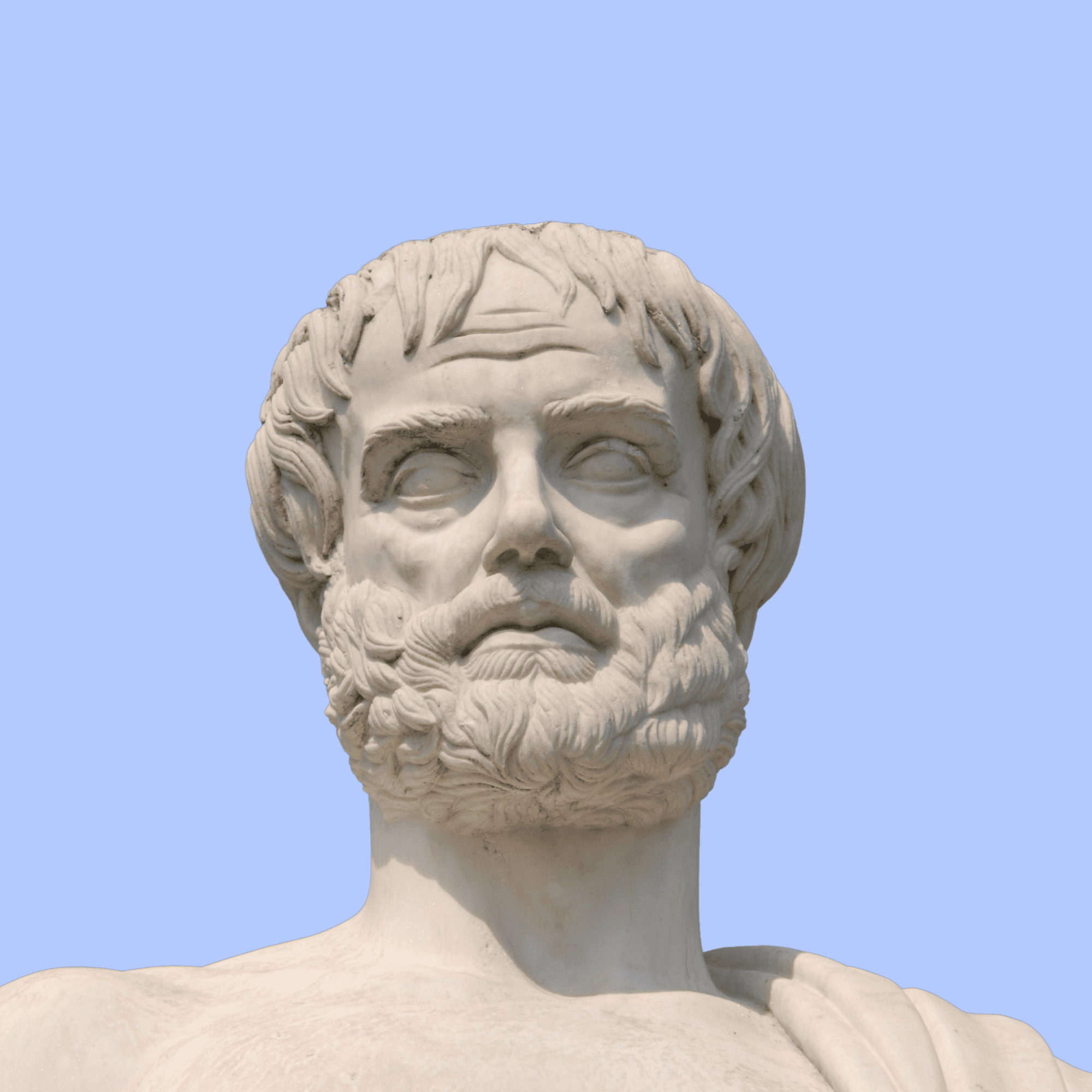
In the Aristotelian sense. Low starting expectations often come out of low starting confidence. Nurture confidence, curiosity and resilience; an increased appetite for academia will follow naturally.
“For the things we have to learn before we can do them, we learn by doing them.” (Aristotle, Nicomachean Ethics, Book II)
Aristotle, Nicomachean Ethics.
4
—
Confidence First

Getting better grades isn’t the goal, it’s the side effect of a curious and confident student.
"There isn’t any solution to this problem of education other than [...] a situation in which the student discusses the ideas, thinks about the things, and talks about the things. It’s impossible to learn very much by simply sitting [...] by simply doing problems." (Richard Feynmam, Six Easy Pieces, 1961)
Richard Feynmam, Six Easy Pieces, 1961
5
—
Interactivity

We know most students don't want to spend an hour being lectured at. The best sessions are conversations: the tutor asks as much as they explain, and the student is thinking aloud as much as listening. Passive learning is forgettable; active learning sticks.
“Tell me and I forget. Teach me and I remember. Involve me and I learn.” (Benjamin Franklin)