
Every year, without fail, we receive a wave of enquiries in March that begin with some version of the same question: is it too late?
The exams are in May. The mocks are behind them. The school has moved on to consolidation. And the parent, looking at a grade that fell short of what was hoped, is wondering whether there is still time for any of this to matter.
The honest answer is: yes, there is. But only if the time that remains is used well.
The Final Stretch Is Not a Write-Off
There is a tendency to treat the period between March and May as something to be endured rather than used. The syllabus is done; the teaching is effectively over; all that remains, in this view, is for the student to sit their papers and see what emerges.
That framing, I should think, underestimates what focused preparation in this period can actually achieve. Eight to ten weeks of well-directed effort, targeted at the right things, can shift grades in a way that an equivalent period earlier in the year sometimes cannot. The reason is simple: by March, a student has covered the material. The task is no longer teaching; it is the rather different business of helping them perform.
The Three Things That Actually Move the Needle
Focused past paper practice is the most direct route to improvement at this stage. Not passive re-reading of notes, not highlighting textbooks, not sitting with revision materials in a state of vague anxiety. Past papers, done under timed conditions, marked rigorously, and reviewed with attention to exactly where marks were dropped and why.
A sensible revision strategy matters just as much. A student who spends the weeks before their exams working through everything equally is, in most cases, not making best use of their time. A good tutor at this stage does something specific and rather valuable: they help a student understand precisely where their marks are being left on the table, and they direct effort accordingly.
This brings us to perhaps the most important point of all, and the one that is most frequently overlooked.
The Trap of Revising What You Already Know
It is a very human instinct, under pressure, to return to familiar ground. A student preparing for a Maths exam will drift back to the topics they can already do, because completing questions correctly produces a feeling of productivity that is, unfortunately, entirely disconnected from actual progress.
Revising material you have already mastered does not move your grade. It merely makes you feel as though you are working. The students who make the most significant gains in the final stretch are those who can identify their genuine gaps, sit with the discomfort of working on difficult material, and close those gaps before the papers are set in front of them.
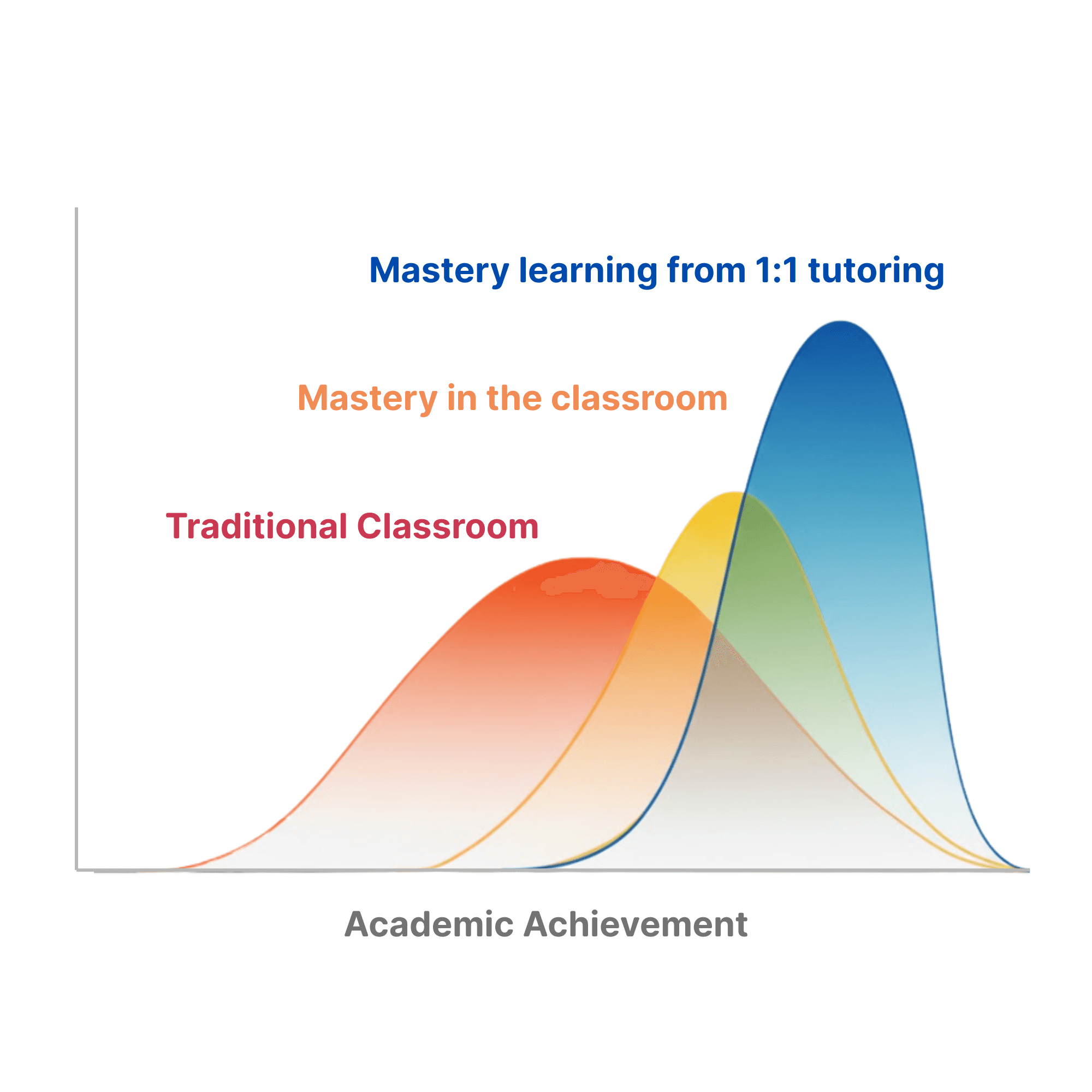
This is, incidentally, one of the clearest arguments for one-to-one support at this stage. A tutor who knows a student's weaknesses — not in the abstract, but specifically, question by question — can ensure that the time available is spent on the things that will actually make a difference. The student left to their own devices will almost always gravitate towards comfort. A good tutor redirects them, calmly and consistently, towards the gaps.
What a Good Final Stretch Looks Like
In practice, this means structured past paper sessions with detailed review; an honest audit of which topics are genuinely secure and which are not; a session-by-session plan that prioritises the areas where marks can still be recovered; and the kind of steady, composed support that helps a student walk into the exam room in May feeling prepared rather than merely having survived the revision period.
It is not too late. But the window is specific, and it requires a plan.
If your child is sitting GCSEs or A-Levels this summer and you would like to discuss what a focused final stretch might look like for them, we would be glad to help.