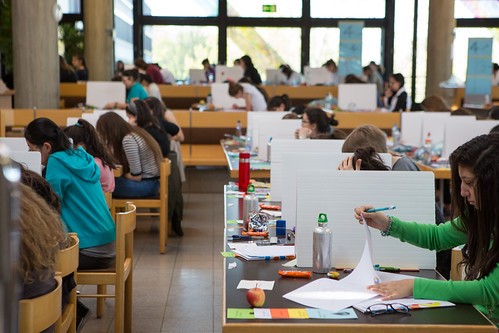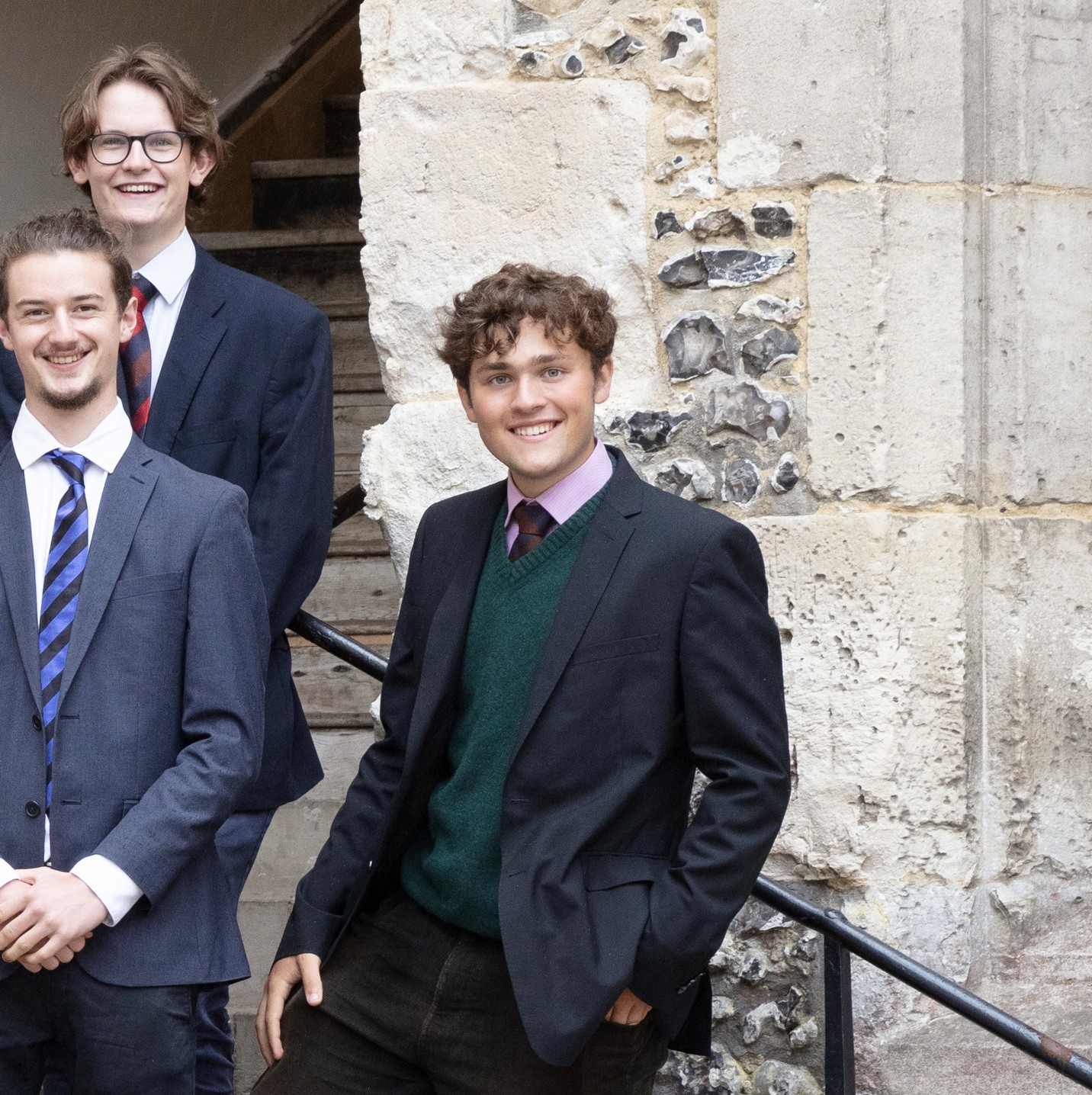

More than a quarter of students enrolled at UK universities last year came from outside the United Kingdom. That figure says something rather complimentary about British higher education. It also means that for a very substantial number of new undergraduates, the start of term involves navigating not only the unfamiliar rhythms of university life, but an entirely new country.
The practical side of that transition is rarely discussed in admissions guides or open day brochures. What follows is a straightforward account of what to expect.
Finances
Most UK students open a dedicated student bank account on arrival, and it is worth doing so promptly. High street banks offer accounts with lower fees and, typically, an interest-free overdraft facility for a set amount. Overdrafts can be useful for managing larger, irregular expenses such as rent or the initial cost of setting up a room, but they are credit, not income, and should be treated accordingly.
For day-to-day spending, cash is rarely necessary. Card and contactless payments are standard everywhere, and Apple or Google Pay are accepted without question in most shops and restaurants. For shared household expenses, an app like Splitwise is particularly useful for dividing costs between flatmates without the awkward conversations that tend to follow when money is tracked informally.
Accommodation
For most students, first-year accommodation is provided by the university, and the application process for this typically runs alongside the admissions process. In subsequent years, the majority of students move into privately rented housing. If you are renting privately in the UK, landlords will often ask for a guarantor: a named individual, usually a parent or guardian, who can confirm that the rent will be covered if needed. It is worth clarifying this requirement early, particularly if your guarantor is based overseas.
At Oxford and Cambridge, the situation is rather different. Both are collegiate universities, which means you belong to a college within the wider institution, and it is your college that arranges housing. First-year undergraduates almost always live in college accommodation. One practical point worth knowing in advance: many Oxford and Cambridge colleges require students to vacate their rooms during vacations, which can create logistical difficulties for international students. Most colleges will offer storage solutions, but it is worth asking about this early.
Academics
A standard undergraduate degree in England lasts three years, with Scottish degrees running to four. Medicine, Veterinary Medicine, and a handful of other subjects take longer, and some courses offer integrated master's programmes. Transferring between universities mid-course is uncommon and can require starting again from the first year, so it is worth choosing carefully.
Assessment tends to be concentrated at the end of the year or degree rather than distributed throughout, and participation in tutorials and seminars, while genuinely valuable, does not typically contribute to your formal grade. First-year marks, in many institutions, do not count towards your final degree classification, which gives new students some room to find their feet.
Degrees are awarded in classifications: a First Class (1st), Upper Second Class (2:1), or Lower Second Class (2:2). The threshold for a First is nominally 70%, but marks above 80 are awarded sparingly and are generally reserved for work of exceptional quality. If you are scoring in the 60s to begin with, that is not a cause for alarm.
Social Life
The single most consistent piece of advice from students looking back on their first year is to join things early. Every university has a remarkable range of clubs and societies, and the first few weeks of term are when they actively recruit. Even if an activity is unfamiliar, Freshers' Week is an unusually forgiving time to walk into a new room and be welcomed without question.
Most universities also have dedicated societies for international students, which can provide a useful point of connection with people navigating similar practical challenges, as well as a space to mark cultural events that might otherwise pass unnoticed in the wider university calendar.
It is worth noting that social life at UK universities often involves alcohol, particularly amongst sports teams and certain college events. Nobody is expected to drink, and there is nothing at all unusual about going to a pub and ordering something soft.
A Few Things About Britain
The weather is, in fact, as described. A good waterproof and a warm layer will serve you considerably better than an umbrella. The queuing conventions are firmly and sincerely observed. British food has a worse reputation than it deserves, and in any case most large university cities now have no shortage of good food from elsewhere in the world.
The broader advice is the simplest: the students who find their feet most quickly are usually those who engage actively with where they are rather than waiting for the experience to arrive. British people can, at first acquaintance, seem more reserved than you might expect. They are not, as a rule, unfriendly; they simply take a little longer to warm up. Perseverance, in this as in most academic endeavours, tends to be rewarded.